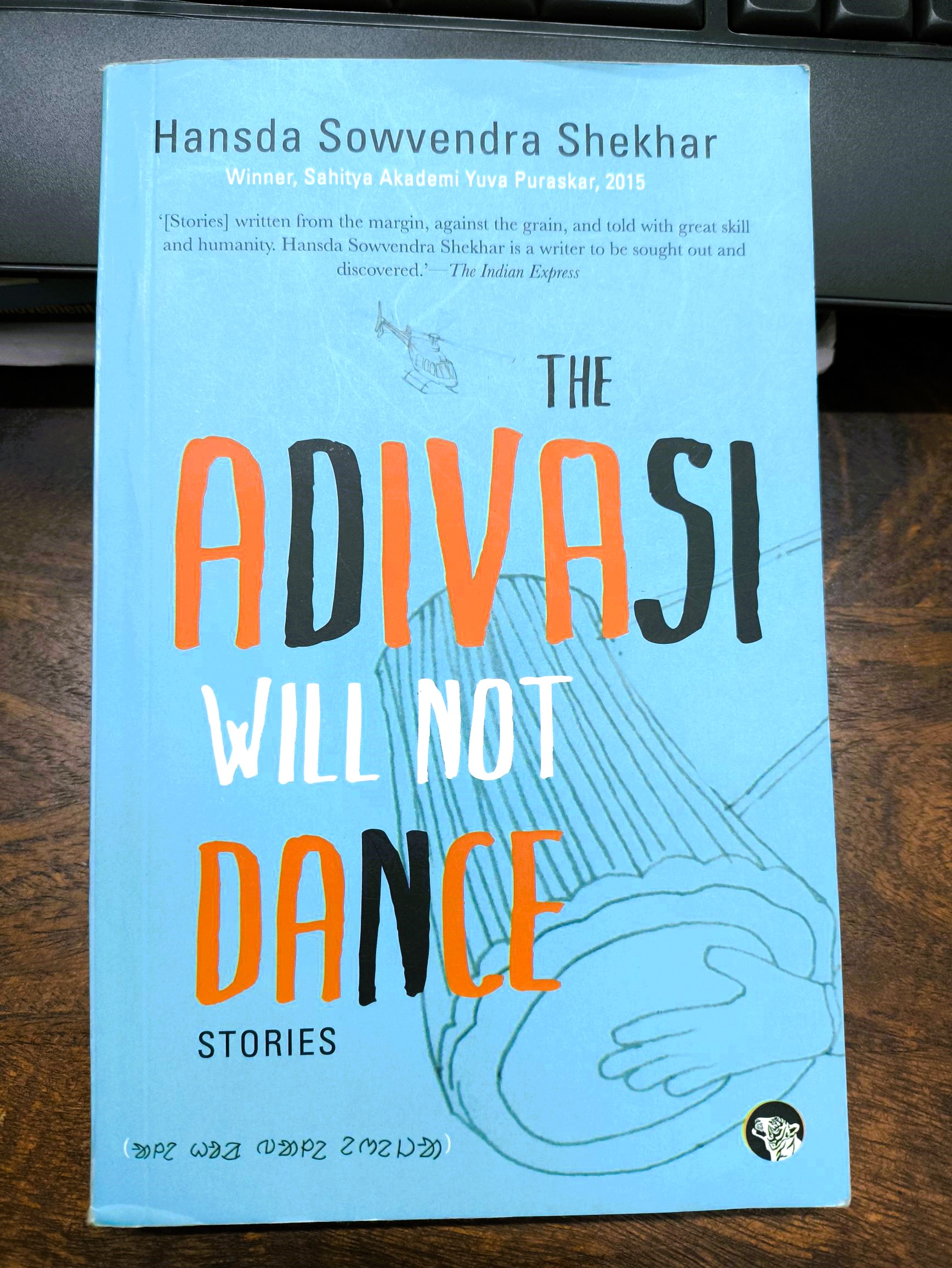
“The Adivasi will not Dance” by Hansda Sowvendra Shekhar offers ten poignant stories reflecting the struggles of the Santhal community. Through nuanced narratives, it addresses themes of poverty, exploitation, and cultural intricacies. Banned in Jharkhand, the book is both provocative and enlightening, serving as a compelling introduction to Adivasi life.

In Custody by Anita Desai, published in 1984, explores a rich narrative through vivid descriptions and nuanced characters. The book, which inspired a 1994 Bollywood film, offers a captivating yet sometimes slow-paced reading experience. While its protagonist might not feel relatable, Desai’s exquisite writing style leaves a lasting impression, inviting varied reader interpretations.

This hindi kavita is an exploration of self-conflict and existential duality of self, tinged with sense of turmoil.
शराबियों के बीच रह कर शराब ना पीज़िंदा रहा मगर ज़िन्दगी ना जी ऐसा मुकाम नहीं कोई जो हासिल […]

Hindi Kavita on introspection, चाहिए था, captures an individual’s wish for how events in his life should have been.

This week’s ghazal, “हार,” captures the emotions after India shuttler Lakshya Sen’s Olympic defeat. Reflecting on resilience, it serves as a shout-out to all who feel defeated. Hope you find strength in its verses.
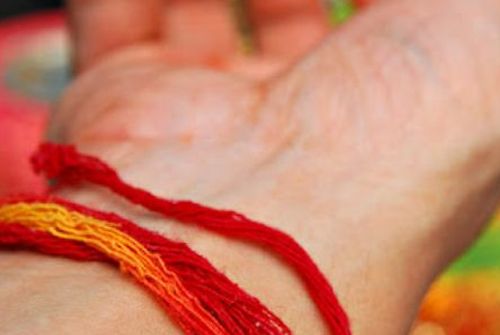
The Ghazal “धागे” captures the feeling of finding balance amidst chaos. The author finds solace in sacred threads on his wrist, symbolizing hope and resilience. The Ghazal resonates with the search for light in darkness.
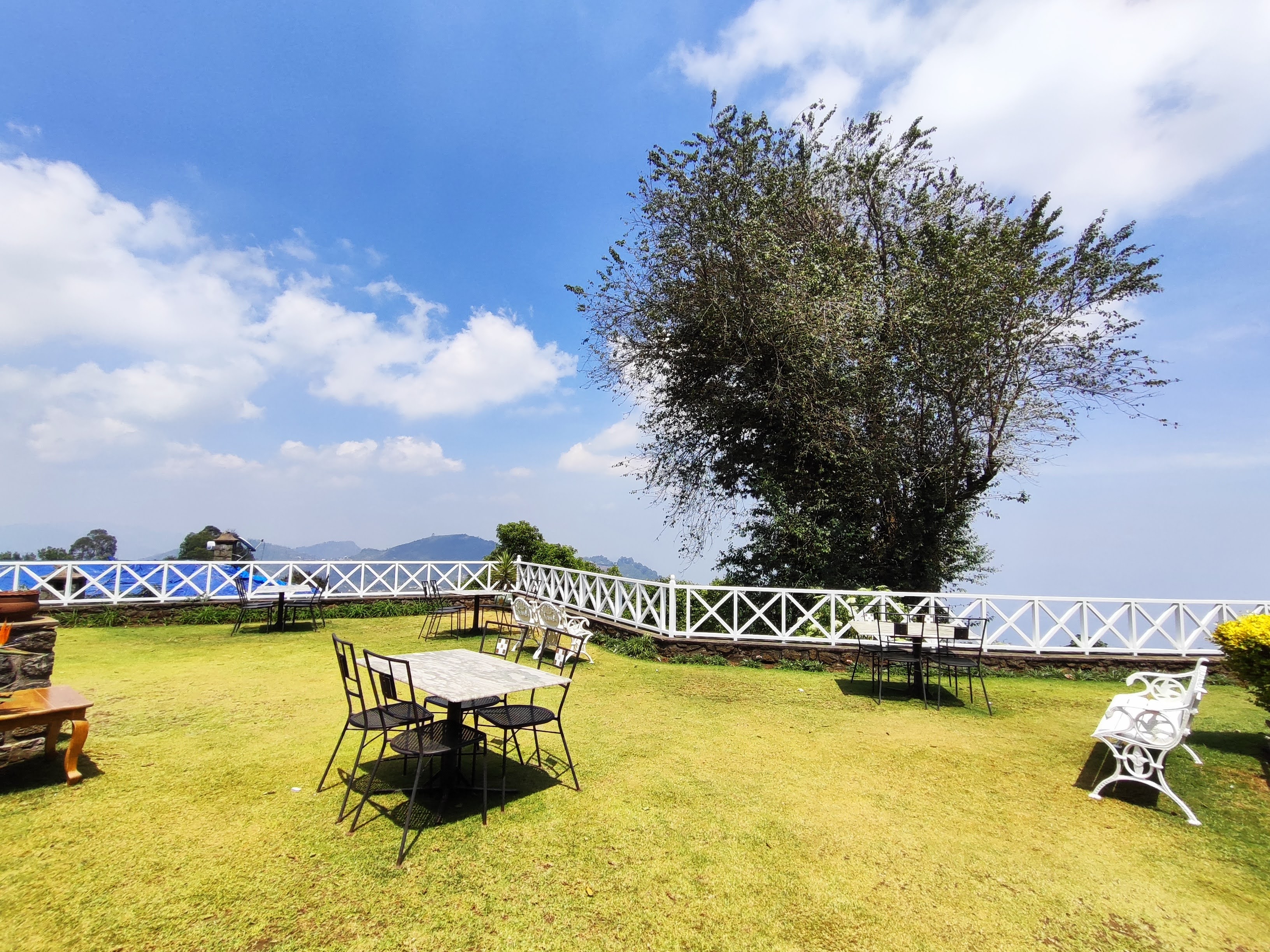
Road Trip idea from Bangalore to majestic Kodaikanal for a weekend getaway! An experience of this picturesque destination.

This week’s post, “Ghazal on restlessness: बेचैनी,” explores the dichotomy of certainty and uncertainty within ourselves. It encourages acceptance of these uncertainties and aims to resonate with readers.

The ghazal “मुझे पता नहीं” delves into societal critiques, morality, and life’s ironies. Inspired by Bashir Badr’s work, it aims to prompt self-reflection through evocative shers.